
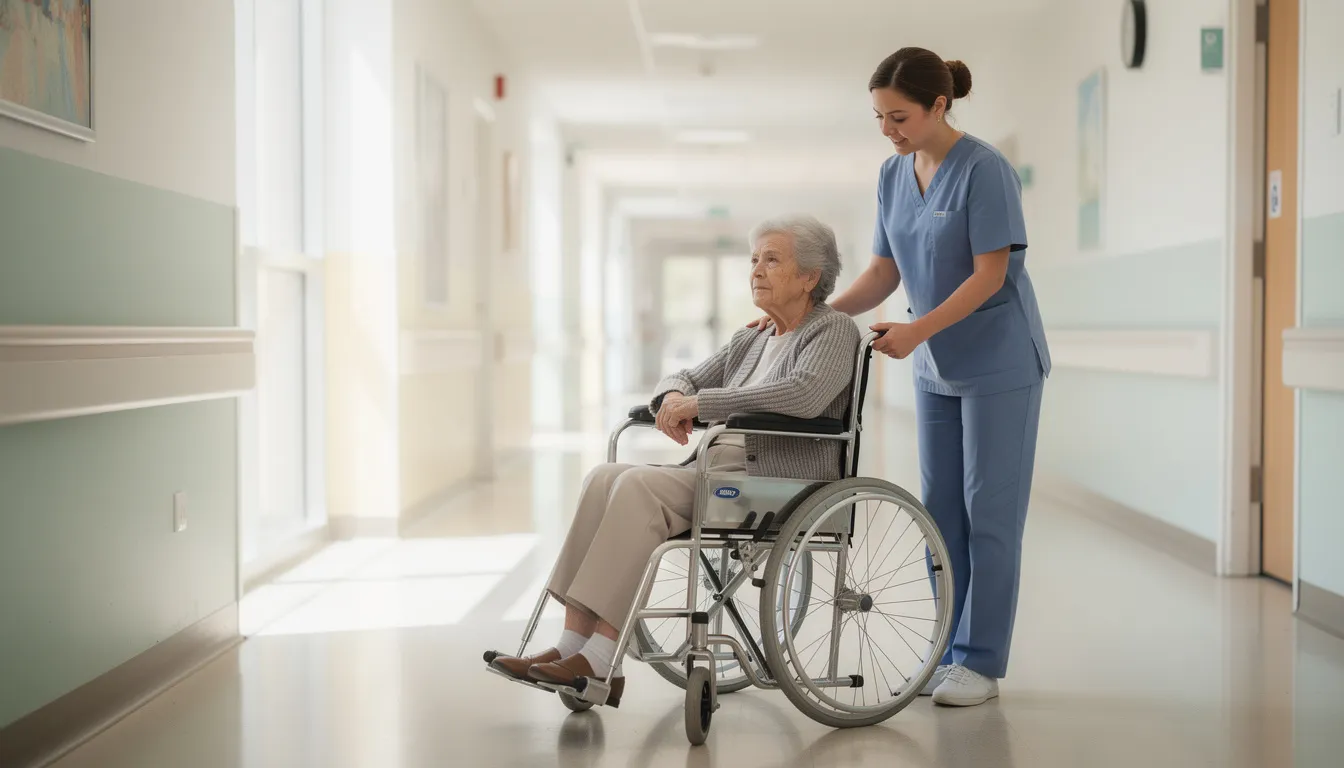
When a family member needs more care than can safely be provided at home, or when someone is recovering from a major surgery or health event, the question often arises: what exactly is a nursing home, and how do you know if it’s the right choice?
Understanding what nursing homes are, who lives in them, and how they operate can help you make informed decisions during what is often a stressful and emotional time. This guide walks you through everything you need to know—from the services nursing homes provide to how to pay for care and what to look for when choosing a facility.
Quick Definition: What Is a Nursing Home?
A nursing home is a licensed residential facility that provides 24-hour nursing and personal care for people who cannot be safely supported at home due to serious health conditions, physical disabilities, or cognitive impairments. Also commonly called a skilled nursing facility in many contexts, a nursing home offers the highest level of ongoing medical care outside of a hospital setting.
Nursing homes serve older adults as well as some younger adults with disabilities, chronic illnesses, or post-acute care needs following hospitalization. In the United States, there are approximately 15,000 Medicare and Medicaid-certified nursing facilities caring for over 1.3 million residents at any given time.
Here’s what defines a nursing home at its core:
- Round-the-clock care: Licensed nursing staff, including registered nurses and certified nursing assistants, are on-site 24/7 to monitor health and respond to emergencies
- Both short and long stays: Residents may stay for short term rehabilitation after surgery, stroke, or injury, or for long term care when ongoing health-related support is needed
- Comprehensive services: Care includes medical treatment, personal assistance with activities of daily living, rehabilitation services, and social activities
- Regulated environment: Nursing homes must meet federal and state standards for safety, staffing, and quality of care
How Nursing Homes Differ from Other Care Settings
Many families confuse nursing homes with assisted living, skilled nursing facilities, and in-home care. The key differences come down to the intensity of medical care provided, the level of supervision available, and how long residents typically stay.
Understanding these distinctions helps you match a loved one’s needs to the right care setting:
- Assisted living vs. nursing home: Assisted living facilities help residents with daily tasks like medication management, meals, and housekeeping, but they offer limited medical oversight. Nursing homes provide skilled nursing care with licensed healthcare professionals on-site around the clock, making them appropriate for residents with complex medical needs that assisted living cannot address.
- Skilled nursing facility (SNF) vs. nursing home: These terms often refer to the same type of facility. However, “skilled nursing” typically describes short term skilled care provided after a hospital stay—think physical therapy after hip surgery or wound care following an accident. Many facilities operate as both long term care facilities and short-term SNFs, sometimes with separate wings or units for each.
- Home health care vs. nursing home: Home health involves healthcare professionals visiting a private residence for scheduled appointments. Nursing homes provide continuous, on-site care in a residential facility—a crucial difference for people who need supervision or assistance throughout the day and night.
When might someone need a nursing home rather than other options?
Consider a person recovering from a hip fracture who needs daily physical therapy, medication administration, and help with bathing and dressing. A few weeks of post-hospital rehab in a skilled nursing facility may be the safest path to recovery. Alternatively, someone with advanced Alzheimer’s disease who wanders at night and has diabetes requiring careful monitoring may need long-term nursing home care because the medical complexity exceeds what memory care or home health can provide.
Who Lives in a Nursing Home?
Nursing home residents are primarily older adults, often over age 75, though younger adults with serious disabilities, traumatic injuries, or complex medical needs may also live in these facilities. The common thread among residents is that they require a level of care and supervision that cannot be safely provided at home or in less intensive settings.
Many residents have multiple chronic conditions that interact and require coordinated management by medical professionals.
Common health conditions among nursing home residents include:
- Alzheimer’s disease and other forms of dementia
- Parkinson’s disease
- Stroke and its lasting effects on mobility or speech
- Heart failure and other cardiovascular conditions
- Chronic obstructive pulmonary disease (COPD)
- Diabetes requiring close monitoring
- Severe arthritis limiting mobility
- Recovery from fractures, joint replacements, or major surgeries
What does the typical resident population look like?
- A significant portion of residents are women aged 85 and older
- Most have multiple chronic conditions requiring ongoing medical care
- A high percentage—often more than half—have some degree of cognitive impairment
- Many residents need help with several activities of daily living, including bathing, dressing, toileting, eating, and mobility
- Some stay only a few weeks for short term rehabilitation, while others remain for months or years due to ongoing medical or functional needs
The diversity of resident needs explains why nursing homes must maintain substantial nursing staff and offer a wide range of intensive services.
What Services and Care Do Nursing Homes Provide?
Nursing homes provide the highest level of ongoing personal and medical care outside a hospital. These facilities combine health care, daily living support, and social programming under one roof—creating a comprehensive environment for residents with serious health challenges.
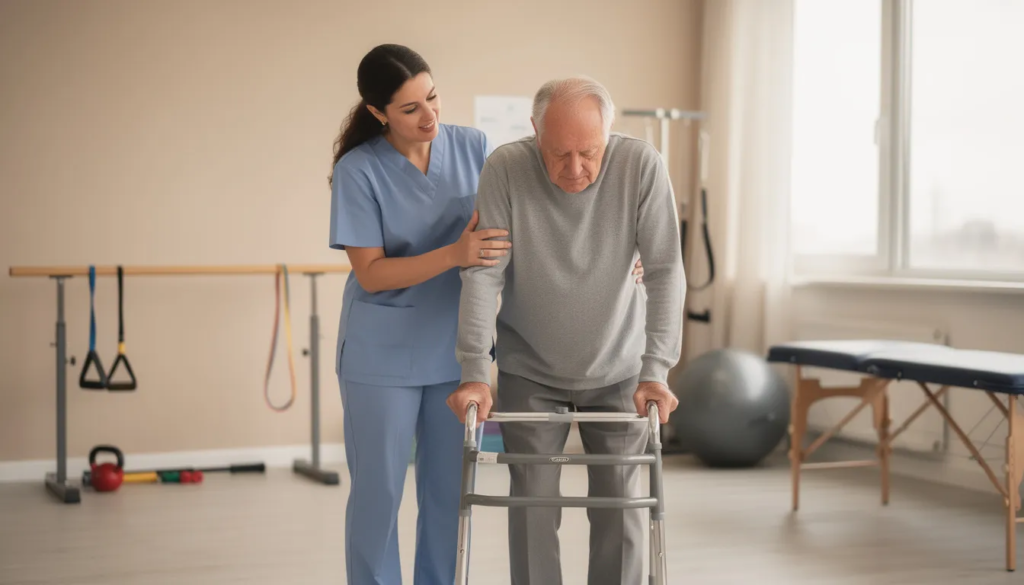
Medical and nursing services available include:
- 24/7 supervision by nursing staff, including registered nurses and licensed practical nurses
- Medication management and medication administration, including injections
- IV therapy and catheter care
- Wound care for pressure sores, surgical sites, and other injuries
- Pain management and palliative care coordination
- Vital sign monitoring and health assessments
- Oxygen support and respiratory care
- Coordination with physicians, specialists, and hospitals
- End of life care and hospice coordination when appropriate
Personal care and daily living support includes:
- Assistance with bathing, showering, and personal hygiene
- Help with dressing and grooming
- Toileting assistance and continence care
- Feeding assistance for those who need help eating
- Transferring support (getting in and out of bed, chairs, wheelchairs)
- Mobility assistance to prevent falls
Rehabilitation therapies provided on-site:
- Physical therapy to improve strength, balance, and walking ability, especially after illness, injury, or surgery. Physical therapists work with residents to restore mobility and prevent falls.
- Occupational therapy focused on daily living skills such as dressing, grooming, safe bathroom use, and adapting to physical or cognitive limitations. Occupational therapists help residents maintain independence in practical tasks.
- Speech therapy addressing speech clarity, language comprehension, memory strategies, and swallowing problems (dysphagia). Speech-language pathologists are essential for stroke recovery and dementia care.
Social and recreational programming:
- Organized group activities and events
- Religious services and spiritual support
- Outings and community trips when possible
- Arts, crafts, music, and games
- Opportunities for residents to socialize with other residents
Specialized services at many facilities:
- Memory care units designed specifically for residents with dementia, offering structured routines and safety features
- Behavioral health support for mental health needs
- Nutrition services with registered dietitians
- Palliative care and hospice coordination for comfort-focused intensive care
Nursing Home Staff and Daily Life
A nursing home’s quality and atmosphere are heavily shaped by its staff members and the rhythms of daily routines. Understanding who works in these facilities—and what a typical day looks like—helps families know what to expect and what questions to ask.
Core staff roles in nursing homes:
- Registered nurses (RNs): Oversee clinical care, conduct health assessments, develop care plans, and coordinate with physicians. RNs often supervise other nursing staff.
- Licensed practical nurses (LPNs): Provide hands-on nursing care including administering medications, changing wound dressings, and monitoring vital signs.
- Certified nursing assistants (CNAs): Also called nursing assistants or nursing aides, CNAs provide the majority of direct, day-to-day care. They help residents with bathing, dressing, eating, toileting, and mobility.
- Physicians and nurse practitioners: Make regular rounds, manage complex conditions, prescribe treatments, and adjust care plans as residents’ needs change.
- Rehabilitation therapists: Physical therapists, occupational therapists, and speech-language pathologists provide scheduled therapy sessions.
- Social workers: Help residents and family members navigate emotional challenges, discharge planning, advance directives, and community resources.
- Activity staff: Plan and lead social activities, outings, and recreational programming.
- Dietitians: Assess nutritional needs and create appropriate meal plans for residents with dietary restrictions or special requirements.
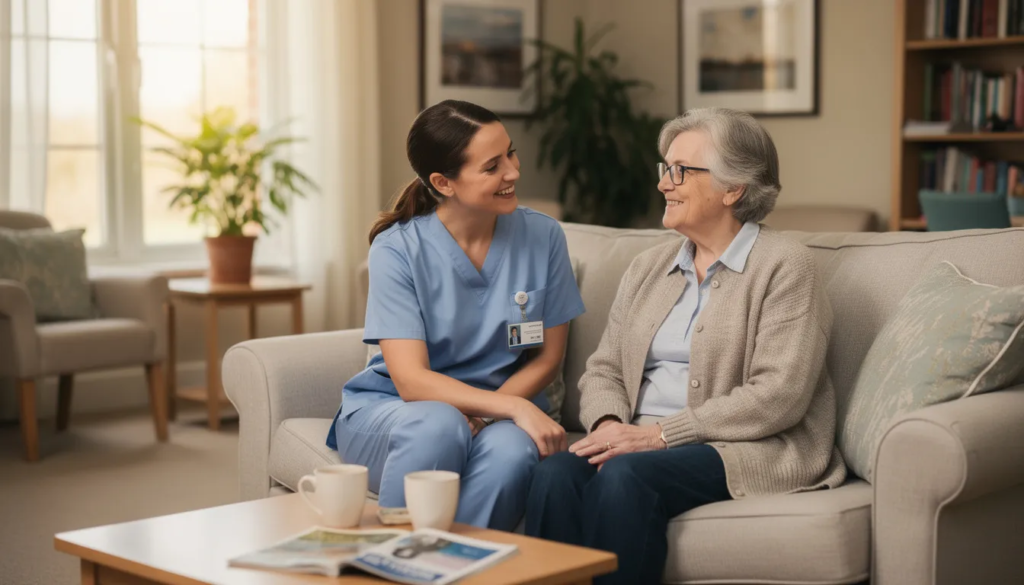
What does a typical day look like?
Most nursing homes follow structured schedules that include:
- Morning personal care routines (bathing, dressing, grooming)
- Scheduled meals in a dining room or delivered to rooms
- Medication administration times throughout the day
- Therapy sessions for residents receiving rehabilitation services
- Planned activities and social events
- Rest periods and personal time
- Evening routines and overnight monitoring
Good facilities try to accommodate personal preferences—allowing residents some flexibility in wake times, meal choices, and activity participation. Federal nursing home regulations require individualized care plans developed with input from residents and family members. These care plans outline medical treatments, therapy goals, nutritional needs, and personal preferences.
Practical quality indicators families notice:
- Staff-to-resident ratios during visits
- Whether the same nursing staff members are present over time (low turnover is a positive sign)
- How staff communicate with residents—with patience and dignity, or rushed and impersonal
- Responsiveness to call buttons and resident requests
- Open communication between nursing home staff and families
Regulation, Safety, and Residents’ Rights
In the United States, most nursing homes are licensed and regulated at the state level and must meet federal standards if they participate in Medicare and Medicaid programs—which most facilities do. This regulatory framework exists to protect vulnerable residents and ensure minimum quality standards.
How nursing home regulations work:
- The Centers for Medicare & Medicaid Services (CMS) sets federal rules governing quality, safety, and staffing
- State survey agencies conduct regular inspections—typically at least annually—plus additional inspections when serious complaints arise
- Inspection results and quality ratings are publicly available through CMS’s Care Compare website
- Facilities that fail to meet standards may face fines, required corrective action plans, or loss of Medicare and Medicaid certification
Key areas covered by nursing home regulations:
- Infection control procedures and protocols
- Medication management and pharmacy oversight
- Nursing staff training requirements and minimum staffing levels
- Fire safety, emergency preparedness, and building codes
- Residents’ rights protections
- Abuse prevention and reporting
Core residents’ rights include:
- Being treated with dignity and respect at all times
- Participating in care decisions and having input on care plans
- Voicing complaints and concerns without fear of retaliation
- Privacy in personal care and communications
- Freedom from unnecessary physical or chemical restraints
- Protection from abuse, neglect, and exploitation
Understanding elder abuse:
Elder abuse in nursing homes can take several forms:
- Physical abuse (hitting, pushing, rough handling)
- Emotional or psychological abuse (yelling, threats, humiliation)
- Sexual abuse
- Financial exploitation
- Verbal abuse
- Neglect (failure to provide needed food, water, medications, or personal care)
If you suspect abuse or neglect, report it immediately to facility administrators and, when necessary, to state survey agencies or adult protective services. Many states have ombudsman programs that advocate for nursing home residents.
While regulatory systems vary by country, the overall goals—safety, quality of care, and protection of vulnerable residents—are consistent internationally.
Paying for Nursing Home Care
Cost is one of the biggest concerns families face when considering nursing home care. Because these facilities provide both housing and round-the-clock care, nursing home costs are substantial—averaging over $8,200 per month in the United States, with significant variation by location and level of care needed.
Understanding your payment options is essential for planning.
Medicare coverage for nursing home care:
- Medicare Part A may cover up to 100 days of skilled nursing facility care per benefit period after a qualifying hospital stay (typically 3 consecutive inpatient days)
- The first 20 days are generally covered by Medicare in full with no copayment
- Days 21-100 require a daily co-payment (check current rates, as they change annually)
- Coverage ends when skilled care is no longer medically necessary—often before the 100-day limit
- Medicare does not pay for long term custodial care in a nursing home (ongoing help with daily activities without skilled medical needs)
Medicaid services for long-term care:
- Medicaid can help pay for long term care for people with low income and limited assets
- Eligibility rules vary significantly by state and typically involve both financial and medical criteria
- Many long-stay residents eventually rely on Medicaid after spending down personal savings and assets
- Medicaid-covered nursing home services include room and board plus care, though residents may contribute a portion of their income
Other payment sources:
- Private pay: Many families initially use personal funds—savings, pensions, proceeds from selling a home, or other assets—to cover nursing home costs
- Long term care insurance: Policies purchased before needing care may cover a portion of nursing home costs; coverage varies widely by policy
- Veterans’ benefits: The VA offers Aid and Attendance benefits and other programs that may help eligible veterans and surviving spouses with long term care costs
- Private insurance: Some private insurance policies offer limited coverage for skilled nursing or rehabilitation stays
Important next steps:
- Research current nursing home costs in your state or country, as prices vary dramatically by region
- Consult with benefits counselors, social workers, or elder law attorneys experienced in long-term care planning
- Explore public assistance programs and eligibility requirements early—Medicaid planning can take time
- Review any existing insurance coverage for long term care benefits
How to Choose a Nursing Home
Selecting a nursing home is a major decision that affects your loved one’s health, safety, and quality of life. In-person visits and thoughtful questions are essential—don’t rely solely on websites or brochures.
Create a needs assessment first:
- List medical conditions requiring management (diabetes, dementia, heart disease, etc.)
- Identify required therapies (physical therapy, occupational therapy, speech therapy)
- Note any specialized care needs (memory care, ventilator support, dialysis)
- Consider cultural, religious, or language preferences
- Determine ideal location relative to family members who will visit regularly
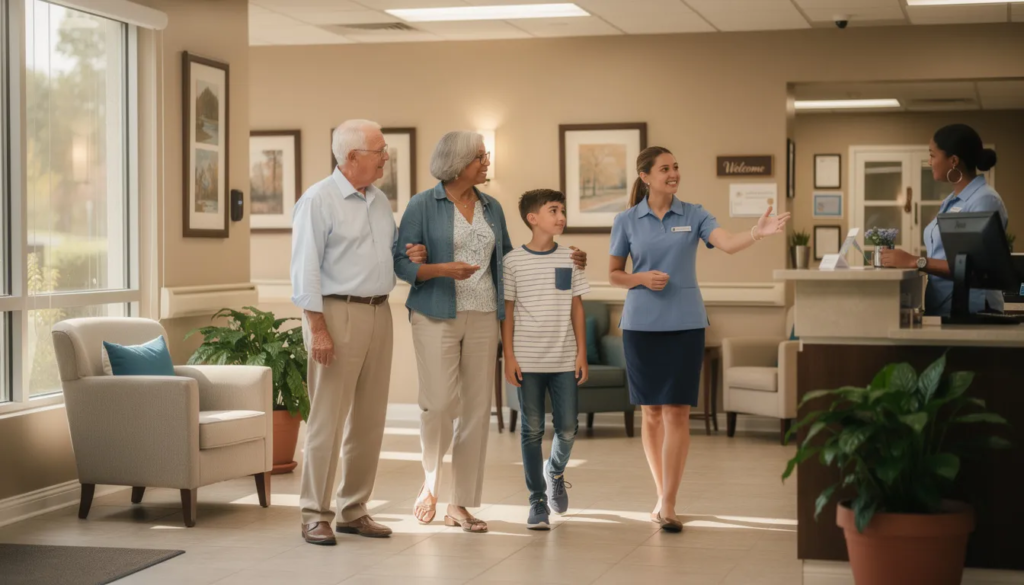
When visiting facilities:
- Visit at different times of day, including mealtimes and evenings
- Observe how nursing staff interact with residents—are they patient, respectful, and attentive?
- Notice cleanliness, odors, noise levels, and overall atmosphere
- Watch for signs of resident engagement or, conversely, residents sitting isolated with no interaction
- Ask to see different areas: resident rooms, dining areas, therapy spaces, outdoor areas
Questions to ask nursing home staff:
- What are the staffing ratios on each shift?
- What is the staff turnover rate?
- How are medical emergencies handled, especially at night?
- What training do nursing aides and other staff members receive?
- How are care plans developed and updated?
- What is the process for communicating with family members about changes in condition?
- What social activities are offered?
- Can we see recent inspection reports?
Research quality ratings:
- Use CMS’s Care Compare website to review star ratings, inspection results, and staffing data for facilities in your area
- Look for patterns in deficiencies—isolated minor issues differ from repeated serious problems
- Ask facilities about any recent deficiencies and what corrective actions were taken
Include your loved one in the decision:
- When possible, bring the prospective resident to visit and ask their opinion
- Respect preferences about room type (private vs. shared), daily routines, and activities
- Consider proximity to friends and family who will provide social support
After admission:
- Visit regularly and at varying times
- Participate in care plan meetings
- Maintain social connections and bring familiar items from home
- Speak up promptly if you notice problems or have concerns
- Build relationships with nursing home staff and well being coordinators
Prepare for the transition:
- Gather important documents: advance directives, medication lists, insurance information
- Bring personal belongings that will make the space feel like home
- Communicate important information about preferences, habits, and health history to the care team
- Establish primary contacts for communication with the facility
History and Future of Nursing Homes
Nursing homes have evolved significantly over the past century. What began as poorhouses and charitable institutions for elderly people without family support has transformed into today’s regulated long term care and rehabilitation facilities with substantial medical capabilities.
Key historical developments:
- Early 20th century: Care for the elderly poor occurred mainly in almshouses and charitable homes with minimal medical services
- Mid-20th century: Growth of institutional care as lifespans increased and families became more geographically dispersed
- 1965: Medicare and Medicaid enacted in the United States, creating federal funding streams and establishing regulatory frameworks for nursing facilities
- 1980s: Major federal reforms strengthened residents’ rights, required individualized care plans, and improved oversight
- 1990s-2000s: Continued quality improvement initiatives and expanded enforcement of standards
Current challenges facing nursing homes:
- Aging populations worldwide are increasing demand for long term care
- Rising rates of dementia require specialized care that many families cannot provide at home
- Staffing shortages affect many nursing facilities—recruiting and retaining qualified nursing staff remains difficult
- Financial pressures from Medicare and Medicaid reimbursement rates strain facility budgets
- Public concern about quality of care intensified after the COVID-19 pandemic exposed vulnerabilities in infection control and emergency preparedness
Trends shaping the future:
- Greater emphasis on person-centered care that respects individual preferences and promotes autonomy
- Smaller “household” or “neighborhood” models replacing large institutional layouts with more home-like environments
- Increased use of technology for health monitoring, telehealth consultations, and communication between healthcare professionals and families
- Growth of home- and community-based alternatives as Medicaid programs expand options for care outside institutions
- Infection-resilient designs and improved emergency protocols informed by pandemic lessons
- Integration with continuing care retirement communities (CCRCs) offering seamless transitions from independent living to nursing care
Despite these shifts, many people will continue to need nursing homes for intensive, round-the-clock care that cannot be safely provided elsewhere. For those with complex medical needs, severe cognitive impairment, or limited support systems, nursing homes remain an essential component of the healthcare continuum.
Key Takeaways
- A nursing home provides 24/7 skilled nursing and personal care for people who cannot safely live at home
- Nursing homes differ from assisted living in their medical intensity and from home health in their continuous, on-site nature
- Residents typically need help with multiple activities of daily living and have chronic or complex health conditions
- Services include medical care, personal care, rehabilitation therapies, and social activities
- Medicare covers short-term skilled nursing care; Medicaid helps pay for long-term stays for eligible individuals
- Choosing a nursing home requires research, visits, and involvement of the prospective resident when possible
- Regulatory oversight protects residents’ rights and safety, though quality varies between facilities
If you’re considering nursing home care for yourself or a loved one, start your research early. Visit multiple facilities, review inspection reports and ratings, and don’t hesitate to ask detailed questions. The right nursing home can provide essential care, support recovery, and offer peace of mind for the whole family.