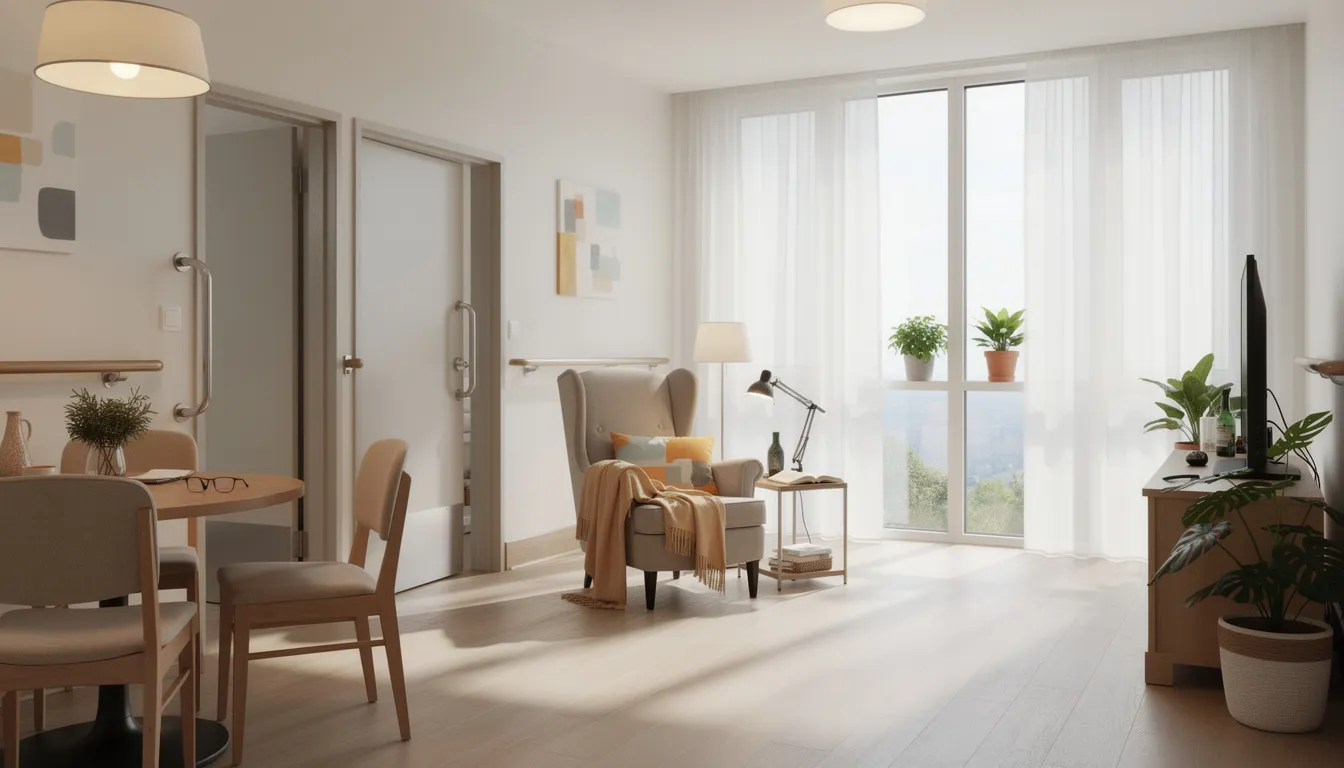

Active adult living refers to age restricted residential communities designed for adults typically aged 55 and older who are independent, healthy, and seeking a lifestyle centered on wellness, social engagement, and low-maintenance housing rather than medical or assisted care. These neighborhoods—often called “55+ communities,” “active adult communities,” or “active independent senior living”—cater to residents who can handle their own daily lives without ongoing assistance but want the convenience of shared amenities and built-in opportunities to connect with peers.
Unlike traditional senior living options that bundle healthcare services or meal plans into the monthly cost, active adult living emphasizes lifestyle above all else. Think fitness centers, travel clubs, hobby groups, and the freedom to lock the door and leave for weeks without worrying about yard work or exterior maintenance. The focus is on empowerment and engagement, not decline and dependence.
This article will walk you through everything you need to know about active adult living: what defines it, how it differs from independent living communities and senior apartments, the housing types you’ll find, the pros and cons to consider, how it may support your health, what it costs, and how to tell if it’s the right fit for your situation.
What Is Active Adult Living?
Active adult living refers to age restricted residential communities that typically require at least one resident in each home to be age 55 or older, in line with the U.S. Housing for Older Persons Act of 1995. These communities are built specifically for older adults who are retired or semi-retired, generally independent, and attracted by the promise of fitness programs, clubs, travel groups, arts classes, and educational activities rather than care services.
Homes in these communities are usually privately owned or long-term rented. You’ll find single family houses, condos, townhomes, and active adult apartments, with a homeowners’ association or property manager handling exterior maintenance, landscaping, and community amenity upkeep. Monthly fees typically cover services like lawn care, snow removal, clubhouse access, pool maintenance, walking trails, and amenities like pickleball courts or golf courses.
What sets active adult communities apart from traditional senior living is what they don’t include. You won’t find on-site healthcare, assisted living, memory care, or bundled meal plans as part of the standard package. Residents maintain full responsibility for their own meals, medication management, and healthcare decisions. This model attracts healthy seniors who want community without the structured environment of a retirement community that provides personal care or clinical oversight.

Types of Active Adult Communities
Active adult living can take several physical forms, from sprawling master-planned neighborhoods with hundreds of homes to apartment-style developments in urban settings. The differences come down to ownership structure, scale, available services, and how strictly age requirements are enforced.
Age-Restricted Neighborhoods and Subdivisions
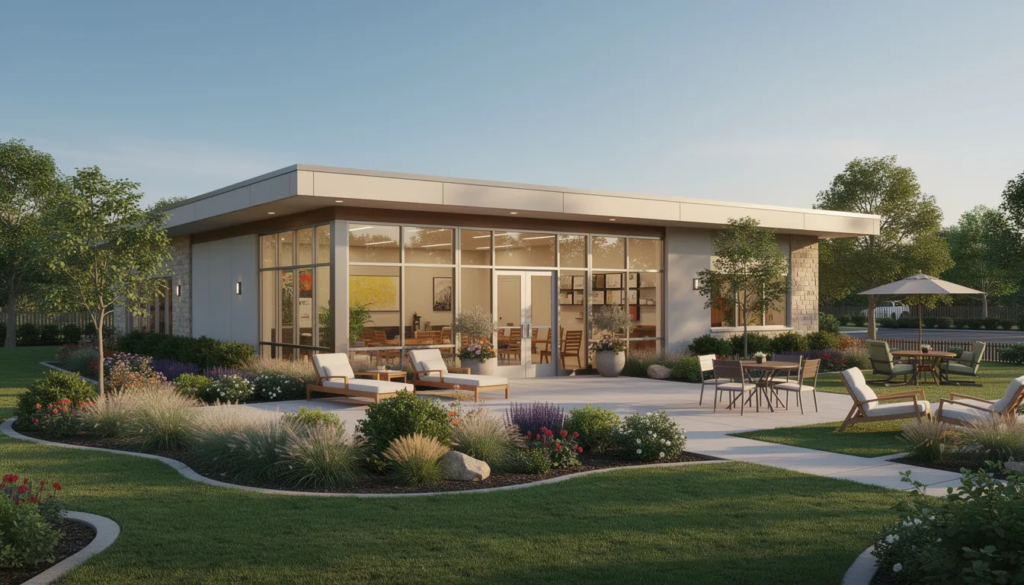
These are planned communities of single-family or patio homes built around shared amenities. Picture gated entrances, winding streets named after birds or flowers, and a central clubhouse surrounded by a pool, fitness center, and walking paths. Many feature golf courses, lakes, community gardens, or even on-site restaurants open to residents. Homeowners purchase their property outright and pay monthly HOA dues that fund landscaping, exterior maintenance, and amenity upkeep. Examples include golf-centric developments in Arizona or Florida where friendly neighbors gather for morning tee times and evening social hours.
Active Adult Apartment and Multifamily Communities
These are 55+ rental properties offering apartments or cottages, often in mid-rise or garden-style buildings. They focus heavily on amenities and social programming—think fitness classes, art studios, rooftop terraces, and organized day trips—but still typically exclude bundled dining and clinical care. This option appeals to seniors who prefer renting over owning, want flexibility, or are testing whether active adult living suits them before making a permanent commitment.
Age-Targeted vs. Strictly Age-Restricted
It’s worth understanding this distinction. Age-targeted communities are designed for older adults with universal design features, quiet layouts, and slower traffic, but they don’t have a legal age minimum. A 45-year-old could technically buy there. Strictly age-restricted communities enforce legal occupancy rules—often requiring 80% of units to have at least one resident 55 or older, with limits on how long younger family members or children can stay. If living exclusively among generational peers matters to you, look for the strictly age-restricted designation.
Housing & Design Features in Active Adult Living
Homes in active adult communities are designed with comfort today and easier aging tomorrow in mind. Many incorporate “universal design” elements that make spaces functional for people with varying levels of mobility, whether that’s relevant now or may become important in many years.
Typical Home Sizes and Layouts
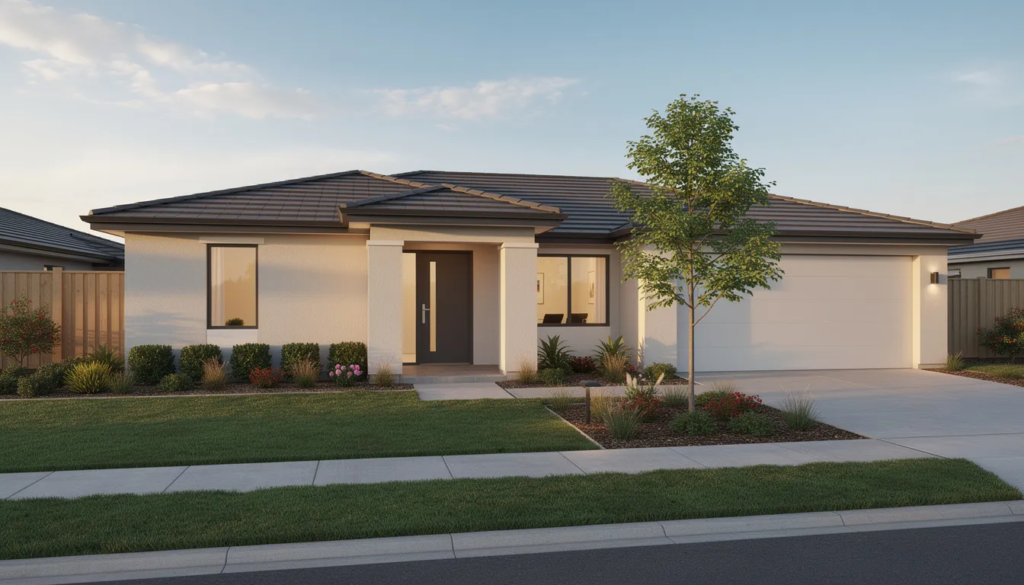
Most detached homes in active adult communities range from about 1,500 to 2,000 square feet, with 2 to 3 bedrooms and 2 bathrooms. The priority is single-level living or at minimum a primary suite on the main floor. You’ll find minimal or no steps at entries, attached garages with direct interior access, and open floor plans that eliminate the need to navigate tight hallways. These layouts make it easier to thrive in place as needs evolve, without requiring major renovations.
Accessibility-Oriented Features
Walk through a typical active adult home and you’ll notice wider doorways and hallways (often 36 inches or more), lever-style door handles instead of knobs, rocker light switches, and bathrooms designed with walk-in showers featuring built-in seats and grab-bar reinforcements. Non-slip flooring and good lighting throughout reduce fall risks. These features aren’t about making a home feel clinical—they’re about building in flexibility and safety without sacrificing aesthetics.
Outdoor and Structural Features
Exteriors tend to use low-maintenance materials like fiber cement siding or stucco. Covered patios offer outdoor living space without the burden of maintaining large decks. Yards are either small by design or fully maintained by the HOA, meaning residents never touch a lawnmower. In colder regions, snow and leaf removal are handled by the community, which is a significant benefit for anyone who has spent decades shoveling driveways.
Active adult apartments mirror these design choices in smaller formats. Expect elevators in multi-story buildings, grab-bar ready bathrooms, step-free entries, and common areas designed with accessibility in mind.
Active Adult Living vs. Other Senior Housing Options
Active adult living sits on the “independent” end of the senior living options spectrum. It’s often confused with independent living, senior apartments, assisted living, or CCRCs (Continuing Care Retirement Communities). Understanding the differences helps you find the right fit.
Active Adult Communities vs. Independent Living
Independent living communities typically bundle services like meals, housekeeping, transportation, and organized activities into a monthly fee. They often have on-site staff available around the clock, 24-hour security, and easier access to higher levels of care within the same organization if your needs change. By contrast, active adult communities focus on housing and amenities. You’re paying for the home, the community maintenance, and access to recreational facilities—not for meals served in a dining room or a wellness director who checks in weekly. If you want services provided as part of your housing package, independent living may serve you better. If you prefer to maintain complete control over your schedule, cooking, and personal care arrangements, active adult living offers more autonomy.
Active Adult Apartments vs. Senior Apartments
The term “senior apartments” can blur the line between active adult and independent living. Some senior apartments offer optional meals, housekeeping, and more structured programming, while others intentionally avoid health services so residents can choose providers separately. When evaluating a community, ask specifically what’s included in the rent and what costs extra. A property calling itself “senior apartments” might function more like independent living, or it might be purely housing with no support services beyond maintenance free exteriors and a community clubhouse.
Assisted Living, Memory Care, and Nursing Homes
These models serve adults who need daily assistance or skilled medical care. Assisted living provides help with activities like bathing, dressing, and medication management. Memory care specializes in supporting residents with Alzheimer’s disease or other forms of dementia. Nursing homes offer 24-hour skilled nursing care for those with complex medical needs. All three involve clinical oversight, higher staffing ratios, and significantly higher monthly costs than active adult communities. If you currently require in home care for daily activities, active adult living likely isn’t the right match.
Continuing Care Retirement Communities (CCRCs)
A life plan community—the industry term for a CCRC—combines independent living, assisted living, memory care, and skilled nursing on one campus. Residents typically pay an entrance fee (sometimes substantial) plus monthly payments, with the understanding that they can transition between care levels as needs change without leaving the community. This “aging in place” model offers security but at a higher cost and with more structured arrangements. Active adult living, by contrast, focuses on one level of care: fully independent. If your health changes significantly, you may need to arrange outside assistance or consider moving to a community with more support.
Pros and Cons of Active Adult Living
The benefits and drawbacks of active adult living depend heavily on your personal health, finances, and lifestyle preferences. What feels like a major advantage to one person might be a dealbreaker for another. Weighing both sides honestly helps prevent surprises down the road.
Benefits of Active Adult Living
One of the most frequently cited benefits is the ease of forming friendships with people at similar life stages. When your neighbors are also retired, also empty nesters, and also looking for connection, the barriers to socializing shrink dramatically. Many residents report that weekly card games, water aerobics classes, community gardening groups, and day trips to local museums or concert venues become the highlights of their week. These aren’t forced activities—you opt in when you’re interested and skip when you’re not.
The low-maintenance lifestyle appeals strongly to those who spent decades managing large homes. Exterior maintenance, lawn care, gutter cleaning, and snow removal are typically handled by the HOA or landlord, freeing up time and energy for travel, hobbies, and family visits. Many residents appreciate what’s often called the “lock-and-leave” lifestyle: the ability to travel for weeks without worrying about packages piling up, lawns going uncut, or pipes freezing.
Amenities vary by community, but access to pools, fitness centers, walking trails, art rooms, woodworking shops, and organized clubs comes standard in many developments. Location matters too—many active adult communities are situated near shopping, restaurants, and healthcare providers, reducing the sense of isolation that can accompany rural or suburban living.
Finally, there’s a sense of safety and quiet that many residents value. Controlled access, slower neighborhood traffic, and community rules that limit noise create a peaceful environment. Fewer young children mean quieter evenings, which appeals to many—though certainly not all—older adults.
Potential Drawbacks and Limitations
The absence of built-in healthcare or dining services becomes a challenge if a resident’s health declines unexpectedly. Active adult communities do not include assisted living, nursing care, or memory care. If you develop a condition requiring daily assistance, you’ll need to bring in outside in home care providers or consider relocating to a community offering higher levels of support. This is possibly the most significant limitation of the model.
HOA rules can feel restrictive to some homeowners. Covenants may dictate exterior paint colors, landscaping choices, parking locations for RVs or boats, and even how long guests can stay. If you value complete autonomy over your property, these restrictions may chafe. Monthly fees also rise over time, and special assessments can occur if major repairs are needed for shared amenities like pool resurfacing or clubhouse renovations.
Age requirements affect family dynamics. Rules about how long younger family members or grandchildren can stay overnight vary by community, and multi-generational living is typically not permitted. If having adult children or grandchildren live with you is part of your long-term plan, active adult living may not accommodate that vision.
From a financial standpoint, while often more affordable than full-service senior living, active adult communities still involve significant costs: property taxes, HOA dues, utilities, and personal expenses. Budgeting carefully for the long term—including potential changes in income as retirement progresses—is essential.
Does Active Adult Living Support Better Health?
While active adult living is not medical care, its design and programming can support physical, mental, and social health for older adults in meaningful ways.
Physical Amenities That Encourage Movement
The presence of walking paths, group exercise classes, swimming pools, and fitness centers makes it easier to stay physically active. Many communities offer programming like morning walking groups, chair yoga, line dancing, water aerobics, and strength training classes led by instructors familiar with the needs of older adults. These options help residents maintain mobility, balance, and cardiovascular health in ways that might not happen as naturally in a traditional home without built-in access to such facilities.
Social and Emotional Benefits
Frequent opportunities to meet friendly neighbors, join clubs, volunteer, and attend events can reduce loneliness and social isolation—factors increasingly linked to cognitive decline and depression in older adults. The community structure creates natural touchpoints for interaction. A morning coffee in the clubhouse, a weekly book club, or a charity drive organized by residents all serve to keep people connected and engaged.
Educational and Mental Engagement
Many active adult communities offer educational programs: guest lectures, technology help sessions, financial workshops, art classes, and cultural outings. These keep residents mentally engaged and help them stay current on practical topics like estate planning, smartphone use, or healthy cooking. Lifelong learning isn’t just enriching—it supports cognitive wellness.
That said, residents still rely on outside physicians, therapists, and hospitals for medical issues. Proximity to healthcare providers and hospitals remains an important factor when choosing a community. Active adult living supports a healthy lifestyle, but it doesn’t replace medical care.
Is Active Adult Living Affordable?
Affordability depends on local real estate market trends, community amenities, and whether you’re buying or renting. There’s no single answer, but understanding the cost components helps you compare options realistically.
Common Cost Components
| Expense Category | What It Covers |
| Home purchase price or monthly rent | Your actual residence |
| HOA or community fees | Landscaping, amenity upkeep, exterior maintenance, community management |
| Utilities | Electric, gas, water, internet, cable |
| Property taxes | Varies by location and home value |
| Personal expenses | Groceries, healthcare, transportation, entertainment |
Comparing to a Traditional Single-Family Home
Many people find savings when downsizing from a larger family home. Smaller square footage typically means lower mortgage payments (or none, if you pay cash), reduced utility bills, and fewer repair headaches. If the HOA covers roof replacements, exterior paint, and landscaping, you avoid major out-of-pocket costs that can run into thousands of dollars in a traditional home. The trade-off is the monthly fee itself, which typically ranges from a few hundred dollars to over a thousand depending on the community and its amenities.
Contrasting with Full-Service Senior Living
Independent living and assisted living communities often have higher monthly fees because they bundle meals, housekeeping, transportation, and varying levels of care. You’re paying for convenience and services that active adult communities do not include. If you don’t need those services, active adult living can be significantly less expensive on a monthly basis.
Questions to Ask Before Committing
Before signing anything, request a detailed breakdown of what the monthly fees cover. Ask about any initiation or transfer fees, how often dues have increased historically, and what the reserve fund looks like for future repairs. Consider your long-term affordability: how will your budget change at age 62 when Social Security becomes available? At 65 when Medicare kicks in? At 70 when required minimum distributions from retirement accounts may increase your income? Planning for these shifts helps ensure you can afford to stay in your chosen community for many years.
Is Active Adult Living Right for You?
Choosing active adult living is a personal decision influenced by your current health, social preferences, location priorities, and financial goals. There’s no formula that works for everyone, but asking yourself honest questions can point you in the right direction.
Key Self-Assessment Questions
- Am I mostly independent in daily activities, with minimal help needed for things like cooking, bathing, dressing, and medication management?
- Do I want more social interaction and organized activities with peers who share similar interests?
- Is low-maintenance, lock-and-leave living more appealing than continuing to manage a larger home?
- How important is it to live near children, grandchildren, or longtime friends?
- Am I comfortable arranging my own healthcare, meals, and transportation, or do I want those services included?
Practical Next Steps
Tour multiple communities—and do so in different seasons and at different times of day. A community that feels vibrant on a Saturday afternoon might feel quiet on a Tuesday morning, or vice versa. Talk with current residents about what they enjoy and what they would change. Ask pointed questions about community rules, age requirements for guests, pet policies, and how decisions about fee increases are made.
Review the community’s governing documents carefully. Pay attention to restrictions on family visits, rental limitations if you travel extensively, and any transfer or resale fees.
Involving Family and Advisers
Discussing your options with family members, a trusted financial planner, or your healthcare provider can help align your housing choices with long-term health and financial plans. They may raise questions you hadn’t considered or provide perspective on how your needs might evolve.
Ultimately, there’s no single “right” timeline. Some people move into active adult communities in their late 50s or early 60s for lifestyle reasons—drawn by the amenities, the chance to make new friends, and the opportunity to thrive in a community designed for their life stage. Others wait until home maintenance becomes more burdensome or until a life transition like retirement, becoming a widow or widower, or health changes prompts a reassessment. What matters is finding a living situation that supports how you want to spend this chapter of your life.
Active adult living offers a unique blend of independence, community, and convenience. Whether it’s the right choice for you depends on what you value most and how you envision your future. Start exploring, ask good questions, and trust yourself to recognize a good fit when you find it.